After receiving feedback from Max, I was encouraged to keep going. He told me to think about presentation methods because my experimentation was strong and the concept behind it developed. We mentioned pushing the initial series as much as possible and having it to the point where the image is completely removed off the page. This would allow me to have a greater understanding of my process and show the full visual spectrum of what my print degradation had to offer. It also meant the physical stack of paper became part of the communication.
I previously had about 230 photocopies. After this continuation of my experiments I produced about 500 in total. This is the point where the last chunk of the original image disappears off the corner of the page. I had to stop here due to printing costs and time. Below is the full processed video of my experiments.
As the image continued to degrade, these lines of pixels become particularly accentuated towards the end, they becomes prominent striations across the page. To me the visual became associated with physical metaphors. It was like dragging, pulling or scraping the image off the page. I thought about analogue printing methods such as screen printing and how you have to pull ink across the page.
I experimented with the timescale of the animation. I timed how long it took to photocopy an image. It take 8.79 seconds. I thought if there was anyway to incorporate this physical aspect to the process into my digital experiments. I considered making the frame speed of the animation 8.79 seconds. With the number of sheets, this would produce a video that is 1 hour and 13 minutes long. It really shows the analogue aspect of the time taken to produce this experiment series. It also becomes a laborious task to watch, almost like watching paint dry.
After I had scanned my print degradation series and started animating I began to create some smaller experiments.
I started to look at these lines that emerged right at the end of the degradation process. I took these pixelated tears and animated them in a circular line. These digital scan errors become a brush stroke, a smear of ink, culminating in a swirling spiralling circle. It makes the experiment become a cyclical exploration of the process of copying and degradation. It reminded me of the life cycle of technology and planned obsolescence. To us the digital world is so immaterial but I think it’s important that everything within the digital has a physical component behind it. They be an incredibly small magnet on a circuit board or an underground server room.
I thought that the texture was something that is particularly prone to degradation within the process. I began to create some edits of my images on Photoshop where I take samples of the textures and repeat them.
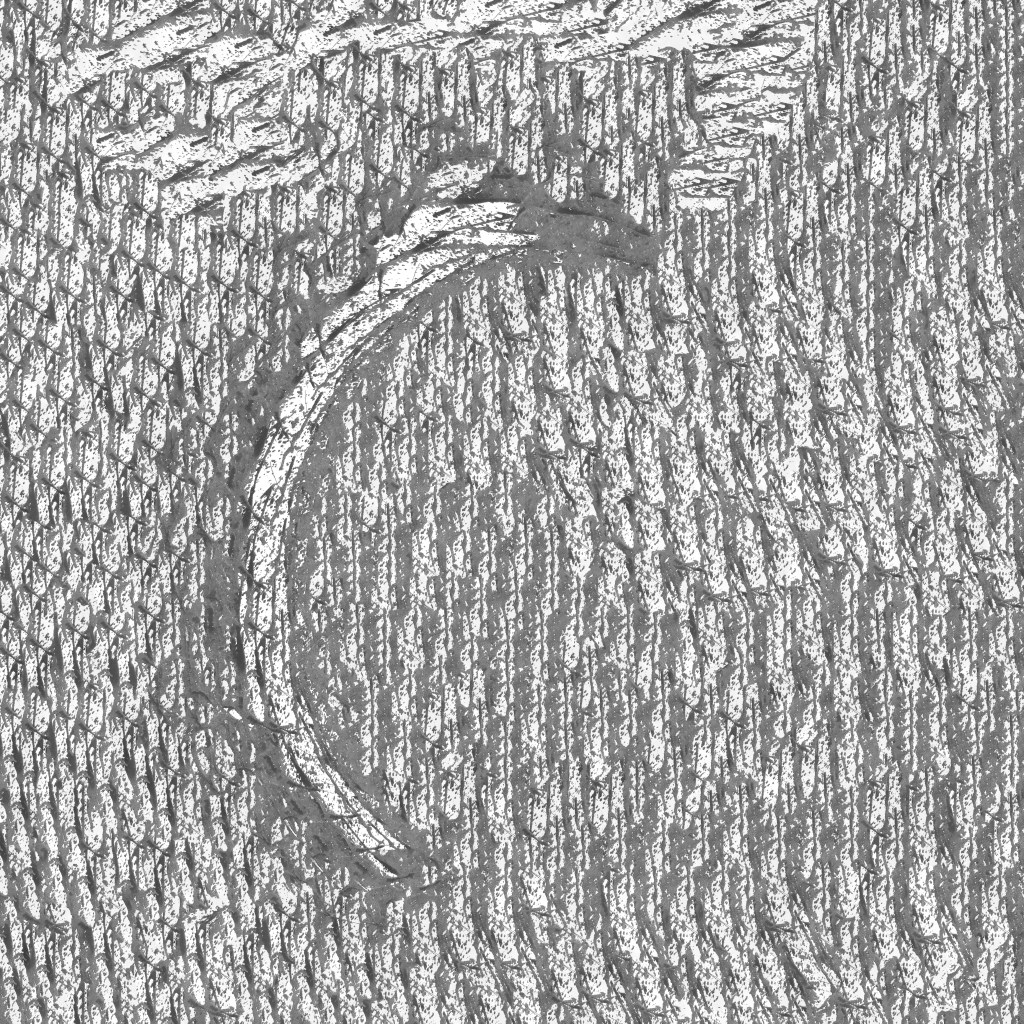
It would be interesting to see how these then translate through my degradation process. I also improved my previous experiment in which i create a narrative out of my imagery. By making the foreground static the sky in the background becomes heavy and stormy as clouds darken and warp. In my previous experiment I didn’t crop the overlaying imagery well enough, I tried to improve it here.
I began to think of more finished ways of presenting my videos. I was interested to see that despite using the exact same process, different printers degrade images in different ways. This just emphasised my message of the inconsistency of copying methods even when we use these advances digital technologies.
To highlight the unique way in which each printer interpreted this image, I put them all in series.

 Cameron Aitken Graphic Design